Roots – The Secret to Record Corn Yields

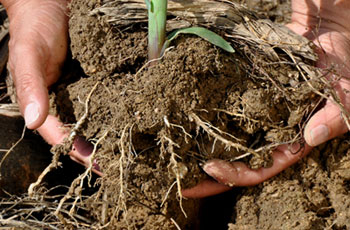
Corn roots (Credit Blendspace.com)

Corn roots (Credit Blendspace.com)

I’ve long been fascinated by corn yield and did my Masters and PhD research on this subject. The physiology of corn yield was a prime research interest during my former academic career in Crop Science at the University of Guelph.

Most of the research on yield has featured above-ground plant parts – eg. higher and sustained rates of leaf photosynthesis, canopy morphology, timing of pollen shed and silk emergence, and higher harvest index (portion of above-ground dry matter in the grain at harvest). All of these are highly important. Improvements achieved both genetically and agronomically have meant that 300 bushels/acre (19t/ha) is now a realistic goal for some farmers, and 450 bu/acre (28t/ha) has been exceeded.

During my tenure in Crop Science, I became increasingly interested in the role of corn roots and their interactions with soil. This was triggered, in part, by another personal research interest, soil tillage – and part by some anecdotal observations and quasi-research findings which were difficult/impossible to explain by conventional crop physiology.

My career in research ended when I became full-time chief of staff for the Ontario Corn Producers’ Association in 1985. I did return briefly to the University of Guelph as adjunct professor in 2002, hoping I could pursue my interest in corn roots. But the system had changed: there were new (justifiable) charges for the use of almost anything – greenhouse bench space or whatever – and I had no enthusiasm for resuming the ‘chase for research dollars’ which I had left years before. So I did a lot of reading (actually relatively little literature on corn roots), and ultimately returned to more non-academic activities including increased attention to our family farm business.

It’s obvious that further research on corn roots is no longer in my future, but the fascination remains. I’ll spell out below why and how I think roots are so critical to superior yields. Maybe others will pick up the challenge.

Case 1. During our initial 24 years of farming, my wife and I harvested corn with an old-style picker, carefully screening out loose corn kernels as the ears went up a conveyor elevator into the corn crib. The loose kernels fell onto the ground a few metres from the crib, year-by-year adding to the soil organic matter in a band parallelling the crib.

Eventually I noticed that the corn grown in this strip grew and developed much more quickly than did nearby plants. It silked about a week earlier, was much taller and yielded more. Initially, I assumed this was somehow a wind-barrier/warm-temperature effect. But one year the crib was not filled and the effect continued. It was not caused by warmer soil temperature since the soil in the favoured strip was wetter and likely colder. And it was not caused by higher fertility or better weed control. The only obvious explanation: higher soil organic matter meant a significantly higher rate of both growth and development in independent of temperature. We have not cribbed corn now for 18 years and the effect has largely disappeared. I suppose much of that organic matter has been oxidized, or spread elsewhere by tillage implements.

Case 2. Nigel Fairey was my PhD student from 1972 to 1976 and his research project involved studying C14 labelled assimilate movement within developing corn plants. He grew corn plants outdoors but seeded in buried 22-litre perforated containers containing a granular baked-clay medium called ‘Turface,’ plus nutrient culture. Nigel also planted corn in the soil around the pots so that the treated plants would behave as if in a normal corn stand. One of his problems was that the corn plants in Turface grew and developed much more quickly than their neighbours. They silked 10 days earlier. The reason was unknown. Nigel checked and it was not differences in root-zone temperature. He solved the problem in year two by planting the bordering plants two weeks ahead of those in the pails. He got the data he needed, graduated and moved on to a productive career. But the puzzle of the accelerated growth remained.
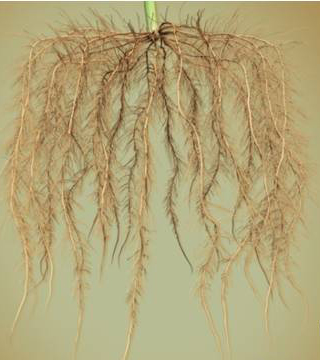
Corn roots (Credit: Dr. Amélie Gaudin, Plant Agriculture, University of Guelph

Corn roots (Credit: Dr. Amélie Gaudin, Plant Agriculture, University of Guelph

Case 3. In the late 1970s, I filled a large growth-room bench with corn grown in perforated pails containing Turface and regularly replenished nutrient solution. The plant density was high, about 10/m2 (equivalent to 100,000/ha) as I recall, and I recorded a yield (border plants near the bench edge not harvested) of nearly 200 bushels/acre. This was despite the fact the amount of daily visible radiation to which those plants were exposed was only about 20% of what field-grown plants would receive outdoors on a clear sunny day in mid July. This was back in an era when we struggled to grow 100 bu/acre on the Daynard farm.

Case 4. In the mid 1980s, Dr. Madhava Reddy, a post-doctorate, grew corn plants indoors, suspended in pails containing aerated nutrient solution (no Turface), with half of them being subjected to a weekly regime of partial root tip removal using fingernail clippers. This was only a preliminary trial but the results showed a much slower rate of foliar growth and development for the tip-clipped plants despite the ample supply of nutrients, water and nutrients. The roots were obviously ‘annoyed,’ and this affected foliar growth and development in unknown ways. Both Madhava and I left U Guelph soon after so the work was not continued.

Case 5 is more generic and involves the generally better rates of growth and development, and grain yield I and others see with corn grown in well-manured fields. Our neighbours, the Dupasquiers, grew great crops when they had dairy cattle manure to spread. Now with chicken manure, the crops are simply superb. I am also intrigued at how many high yield reports elsewhere are associated with ample applications of manure, especially poultry manure.

So what’s going on here? Higher soil organic matter (manure addition, kernels dropping beside our corn crib) obviously has advantages in increasing available water storage and that will increase yield in most years. Nutrients from manure are also important, though that should not have been a yield factor in the cases listed above. The boost came using the biologically inert Turface as well as organic matter. The effect on rate of development is of special interest to me as I had long believed that heat accumulation to be the primary driver of rate of development (as compared to rate of growth – plant height, for example). But in some of the cases described above, above-ground rate plant development was affected by the root environment via some mechanism apparently independent of temperature – and sometimes in a dramatic way.

Plant physiologists know that stressed roots send chemical/hormonal signals to above ground parts which cause various physiological responses including reduced rates of growth. Abscissic acid is a key hormonal messenger of this type and there are others.

But are there positive signals which roots send upward when they are essentially stress free? Signals which say the biological equivalent of “put the pedal to the metal”? Signals which will tell the plant to grow and develop more quickly, set more kernels, even more ears? And maybe which stimulate increases in rates of photosynthesis?

In the months I spent as an adjunct professor, I spent much of my time in the library and on line, looking for published evidence of a “good times” hormonal signal – sadly, without success. Perhaps that’s because it’s hard to find, or perhaps no one has looked. Or perhaps the positive signal is simply the absence of stress-signal messengers.

If it’s the latter, perhaps the “brakes” are almost always on, at least in part, for real-world corn plants. That’s a good thing for plants to survive in the normal world. But it’s not so good if the goal is record high yields.

I recall an experiment performed by the late Bev Kay in Land Resource Science at Guelph, who grew young corn plants in stable soil aggregates (from a field growing red clover) of various size categories. Plants grew more quickly in soil consisting of fine aggregates (about 0.5 to 1 mm in diameter, as I recall) than with larger aggregates, and this was an effect independent of fertility or moisture supply.

In checking the roots, Bev and his team found something intriguing: Corn roots in the finely aggregated soil grew straight. Those in larger-sized aggregates were wiggly. With smaller aggregates, the soil appeared to move out of the way as the roots lengthened. With larger aggregates the roots had to grow around.

And that’s when, and why, I developed a (now long-held) hypothesis: Plant roots like to grow unimpeded without needing to turn or grow around anything. Perhaps each turn or impediment triggers a negative signal. “We’re not sure what we’re encountering here,” say the root tips to the rest of the plant, “but better you’d slow up a bit – just in case it is bad or gets worse.”

Farmers all know that compaction hurts yield. The most obvious means is by restricting root growth and access into areas of the soil containing needed water or nutrients, or by impeding water and air flow. But perhaps it also reduces yield just by impeding root growth itself, even if water, air, and nutrient supplies are fine.

How much it yields depends so much on the roots

How much it yields depends so much on the roots

My wife is an excellent gardener, outdoors and in, and she regularly has to repot plants into larger pots or else they won’t grow and flower as they should. These plants are well watered and well fertilized, but still they do poorly when “root bound.” And what does root bound mean? Roots which are constantly running into each other or the container walls, and can only grow by turning – growing around things.

Or consider Bonsai plant cultivation with trees permanently dwarfed by restricted root growth.

Ontario farmer Dean Glenney at Dunnville Ontario has produced some really high corn yields and he plants his corn and soybeans in the same row positions year after year. He says that roots can grow easily down existing root channels. This fits my conjecture well. I’ve not met Dean personally, but understand that he also uses lots of poultry manure. The manure will also be great for reducing soil density and strength, making it easier for roots to grow unimpeded.

Old root channels may be one of the biggest benefits for cover crops, i.e., in addition to drainage and aeration benefits – provided, of course, that these channels aren’t destroyed by subsequent tillage and heavy equipment tramping on wet soils.

My hypothesis is that unimpeded root growth is highly important for top corn performance – independent of any effect on providing soil moisture or nutrients. (Not that the latter aren’t also highly important.)

It’s an untested hypothesis. I’ve spent hours thinking about ways to test this. Dr. Amélie Gaudin completed a PhD thesis recently in Plant Agriculture, University of Guelph, growing corn plants aerobically with roots dangling in a mist of nutrient solution. Her study was about genetic differences between corn and ancestral teosinte, but maybe the same system could be used to study the effects of impediments to root growth independent of water, nutrient and air supply. The challenge would be to introduce barriers/impediments in such a way that they force roots to bend around obstacles but don’t lead to stressful oxygen deprivation. Maybe there are other creative ways to test my conjecture.

To close: I’ve no proof – nothing would stand up to good peer reviewing – only a collection of anecdotal and quasi-research results pointing in a certain direction. But if you really want to be the farmer who breaks above 500-bu/acre corn yield – or even 50 bu/acre better than what you’re doing today, figure out how to encourage unimpeded root growth. And if you can sort out how to do this in a cost-effective manner (not everyone has huge poultry manure supplies, and Turface is way too expensive), you could become a very wealthy person.
A Primer on Ontario Cropping and Tillage Systems

A European acquaintance quizzed me recently about crop rotation and tillage practices for major crops in Ontario. I’ve prepared the following. And, since it might be also of interest to others too, I am posting it on the web. This is a very simplified overview of Ontario cropping systems. Readers should recognize that each farmer does things somewhat differently, and farming practices continue to evolve quickly.

The principal field crops in Ontario are corn, soybeans and perennial forages – about 2 million+ acres of each. This column is mainly about corn and soybeans, and also wheat which is grown on about 1 million acres – and mainly about those farmers who are primarily grain growers. Perennial forages are mostly grown by farmers who raise cattle, sheep, goats and horses.

Although corn has been grown by Ontario farmers since about 500 AD, its production by farmers of European origins did not really become dominant across most of Southern Ontario until the 1960s following the introduction of better-quality, early-maturing hybrids. After that, Ontario agriculture experienced a period of about 15-20 years when many farmers grew only corn. This, coupled with intensive tillage which buries all crop residues after harvest, resulted in some serious soil erosion and other soil structural and insect/disease problems. The soil problems were worse when the entire above-ground plant was harvested to make ‘corn silage.’ (Corn silage once represented up to half of Ontario corn acreage; it’s about 10% now – usually on dairy and beef farms which also have soil-building perennial crops in their rotations.)

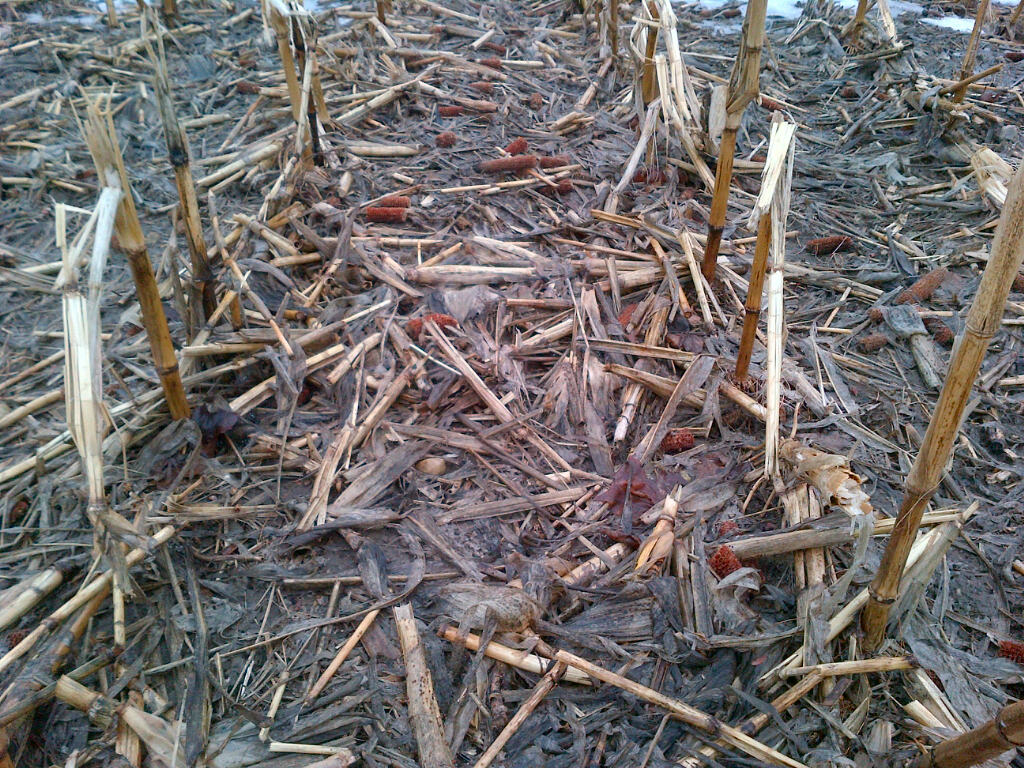
Figure 1. Corn crop residue protecting soil from rain and snow-melt run-off in early spring (Daynard farm)

Figure 1. Corn crop residue protecting soil from rain and snow-melt run-off in early spring (Daynard farm)

Soybeans have been grown in extreme southwestern Ontario (warmest part of the province) since the early 1900s. Production blossomed across the rest of Southern Ontario during the 1980s. This was because of the availability of better early-maturing varieties and the need for a profitable cropping alternative to break the pattern of continuous corn production. (This is sometimes called ‘mono-cropping,’ though ‘mono-cropping’ can have other meanings too and is an ambiguous term).

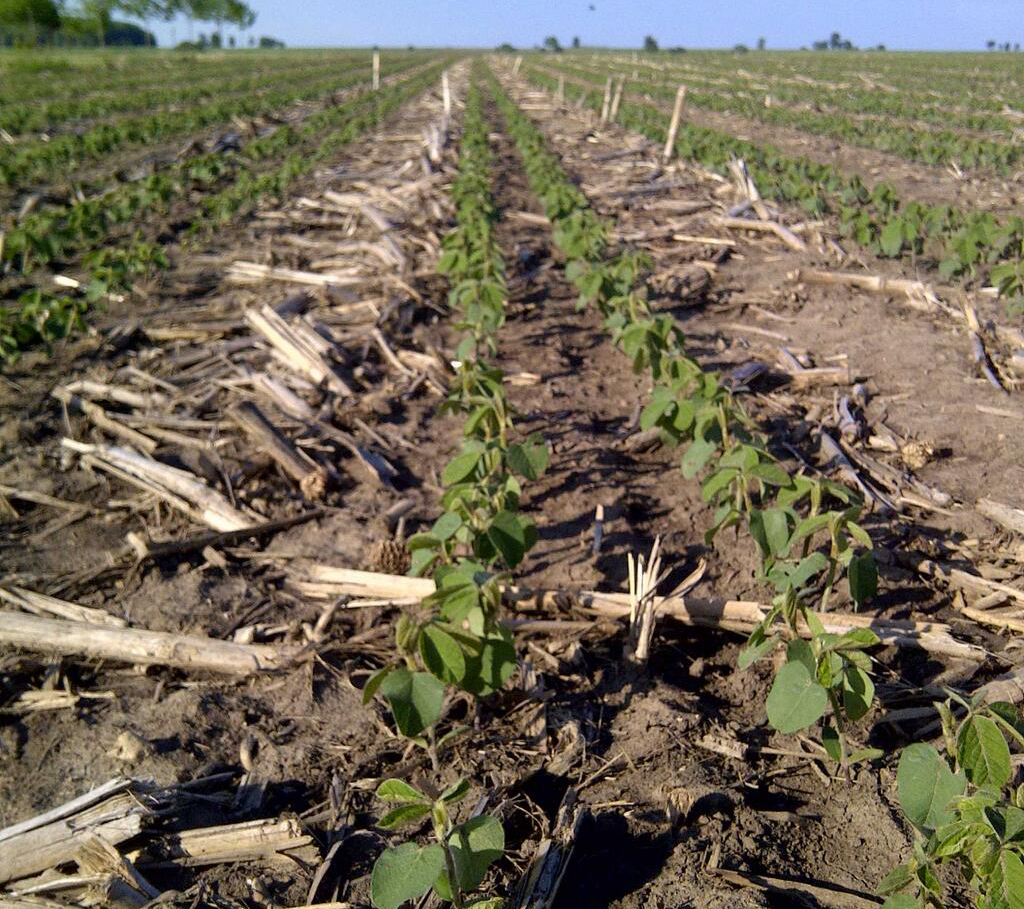
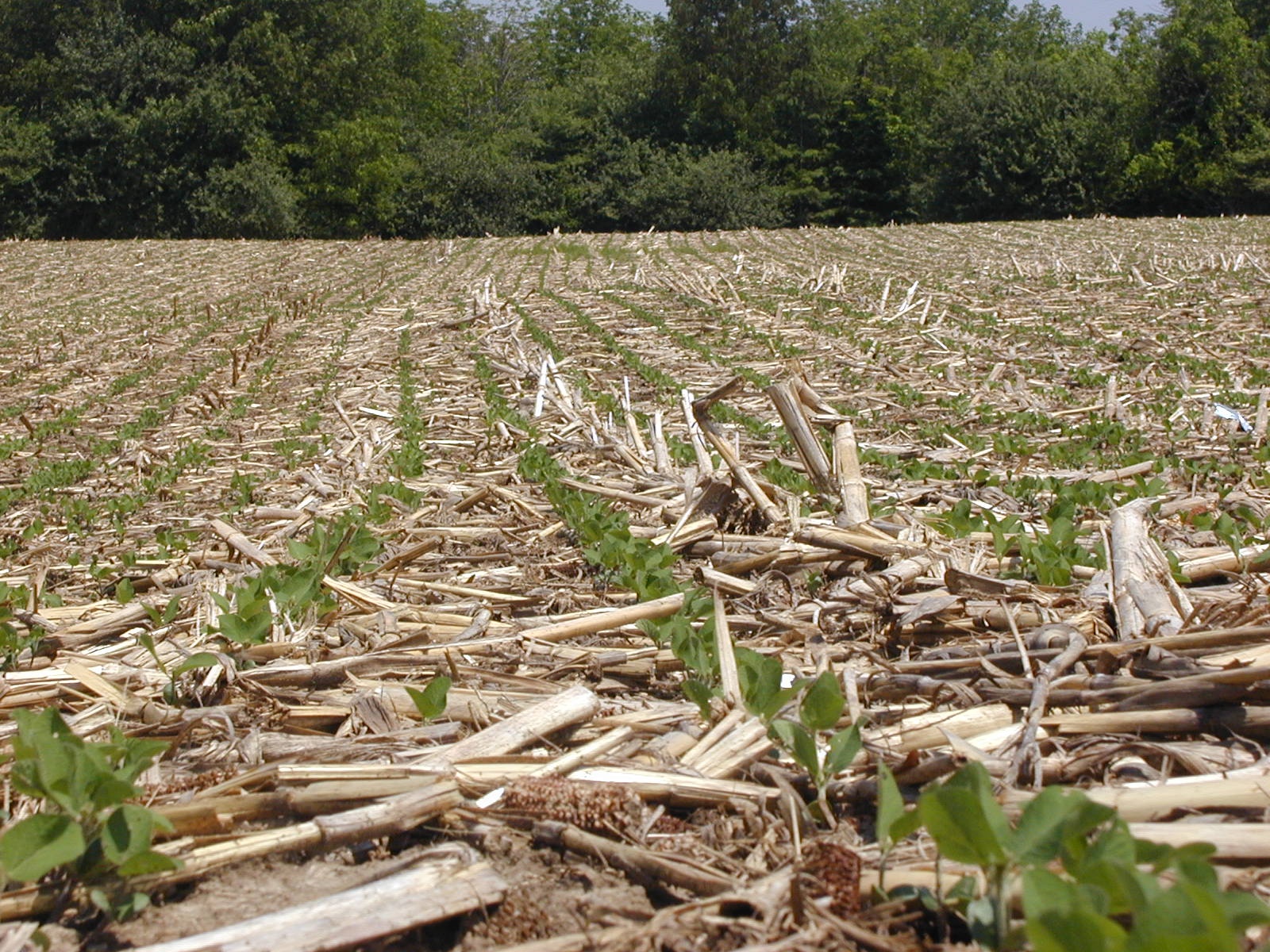
Figure 2. No-till soybeans in corn residue (credit: Patrick Lynch.)

Figure 2. No-till soybeans in corn residue (credit: Patrick Lynch.)

Many Ontario grain farmers add a third crop to the rotation – fall-seeded wheat, which is commonly called winter wheat. While wheat is usually not as profitable a ‘cash crop’ as corn and soybeans, farmers grow wheat because it spreads out their annual work load, provides diversity and stability (weather-vulnerable growth stages for wheat occur at different times of the year than for corn and soybeans), and because research data have shown that corn yields benefit significantly from having wheat in the rotation. (Wheat has a fine root structure which contrasts with the generally coarser roots of corn.) Wheat also represents an over-winter cover crop, to help limit soil erosion in early spring runoff (lots of water runs off the soil surface because of melting snow and rainfall).

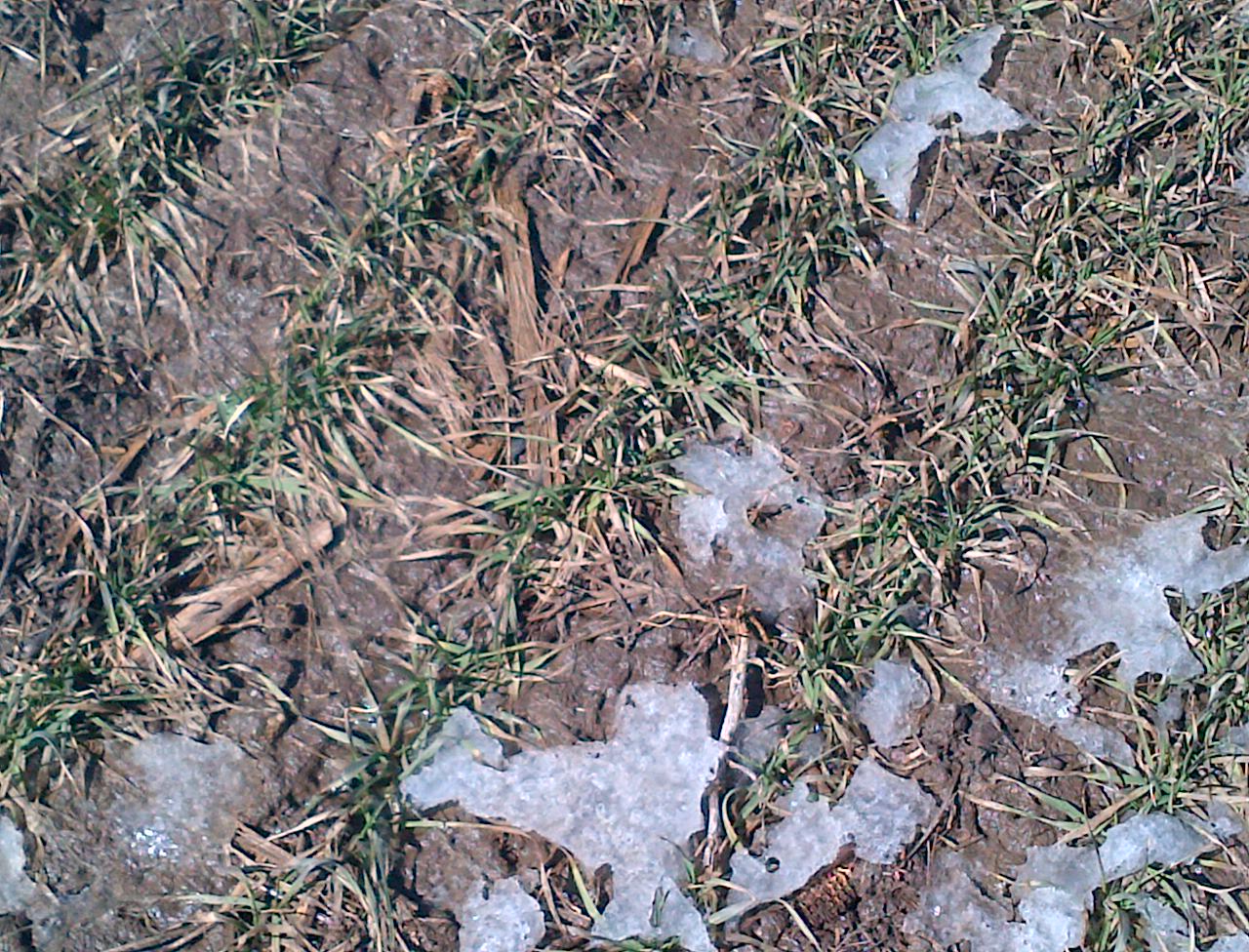
Figure 3. No-till wheat emerging from under snow after winter. Corn stalks are from two years earlier. (Daynard farm)

Figure 3. No-till wheat emerging from under snow after winter. Corn stalks are from two years earlier. (Daynard farm)

Corn rootworm larvae are commonly a serious problem when corn follows corn. This necessitates the use of insecticides or the use of Bt-corn-rootworm-resistant corn hybrids. Corn rootworm has also become a problem in corn-soybean rotations in the United States. However, the problem does not occur with corn-soybean-wheat rotations.

Farmers are concerned about protecting their soil from erosion (primarily water erosion in Ontario), and in maintaining/improving soil organic matter levels and soil structure. Good soil structure makes root growth easier and facilitates internal water and air movement.

Reduced soil tillage (often this means no tillage at all except for the possible preparation of a very small mini ‘seed bed’ right around the planted seed) is one means of doing that. It also reduces the cost of farming (less equipment, less time for field operations, and less fuel usage). Corn crop residues are especially valuable for protecting soil from erosion (i.e., if left on the surface and not plowed under). This is because of both their high quantity (about 9 tonnes/ha for a good average corn crop) and their slow rate of decomposition. They can stick around on the soil surface for 2-3 years.

Figure 4. Soybeans planted into tilled strip (credit: Ken Brett)

Figure 4. Soybeans planted into tilled strip (credit: Ken Brett)

By contrast, soybean crop residues decompose quite quickly after harvest time and in the following spring. This is one reason why farmers commonly plant winter wheat immediately after soybean harvest to protect the soil surface.
Winter wheat presents its own soil problems – mainly because it is harvested during midsummer (commonly in July), leaving the soil surface ‘unprotected’ for many months to follow. Wheat straw residue helps. But, at least in North America, it is not as plentiful as what remains after corn. Many farmers plant special cover crop species. The most common is red clover for which the seed is spread on winter wheat fields in early spring. This allows red clover plants to germinate and then subsist until the wheat is harvested; after harvest they usually flourish until growth stops with the arrival of colder weather in October. Red clover cover crops protect the soil surface from erosion while adding soil organic matter and nitrogen fertility (red clover is a legume). The crop which follows wheat/red-clover is usually corn.

Some farmers will plant other cover-crop species after the wheat is harvested, usually using ‘no-till’ seeders for reasons of speed and minimal soil disturbance.

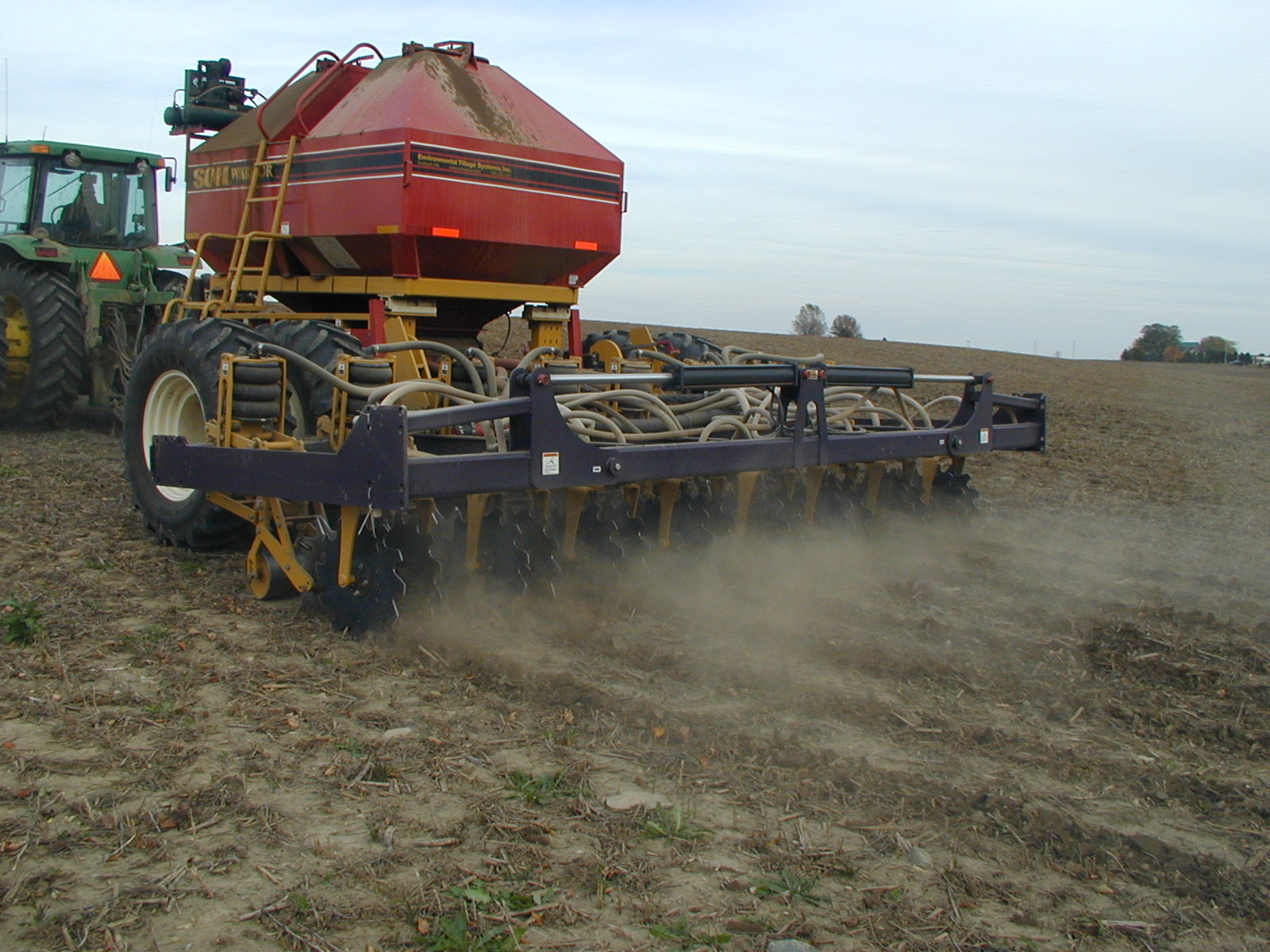
Figure 5. Strip tillage & fertilization in bean residue (credit: Patrick Lynch)

Figure 5. Strip tillage & fertilization in bean residue (credit: Patrick Lynch)

Early spring planting presents some challenges – and a need for compromise. Complete surface coverage is best for erosion control but it can mean slower drying of soil in spring. (Most Ontario soils begin each spring fully saturated with water, because of late-autumn and early-spring rainfall, and snow melt.) This is a special problem for corn which generally yields best when planted early. This is especially true for slow-drying clay soils. If residue coverage is really dense, some farmers will try to incorporate some residue into the soil with autumn tillage. Some farmers use strip tillage equipment to work a narrow strip (either in the fall, or a day or two before spring planting), thus allowing soil in the strip to dry out faster to permit early planting. If soil is planted when too wet, it ‘smears’ during planting operations and this can have a very negative effect on corn seedling growth and final yield.
GPS technology allows farms to plant corn into the centre of the tilled strips.

Figure 6. No-till corn plant in wheat residue (credit: Paul Sullivan, P.T. Sullivan Agro Inc)

Figure 6. No-till corn plant in wheat residue (credit: Paul Sullivan, P.T. Sullivan Agro Inc)

In addition most no-till planters have attachments which move residues a few cm to either side of the planted row. This permits sunshine penetration to the soil above the planted seed, and quicker germination. In some countries (notably north-western Europe), garden slugs will flourish with abundant soil surface organic matter coverage. Slugs eat the emerging crop plants. This is occasionally a problem in Ontario too.

Figure 7. Red clover after spring seeding into wheat in spring (credit: Patrick Lynch)

Figure 7. Red clover after spring seeding into wheat in spring (credit: Patrick Lynch)

Emerging plants in springtime in Ontario are also vulnerable to occasional late frosts, and this risk is magnified with lots of soil residue cover. It’s a trade off, with most farmers considering that the increased risk of frost damage is more than off-set by better soil quality and higher yields with ample soil residue cover, over a period of years.

Pest control is very important to the success of reduced and no-till cropping programs which allow for the abundant presence of soil surface residues. Fungicide and (usually) insecticide treatments are generally needed to protect planted seeds and emerging seedlings from diseases and insects which flourish in conditions of cool, damp soil and surface residue cover. Herbicides are needed for the weed control which was traditionally done by soil tillage. Organic farmers, who cannot use synthetic pesticides, often counter these insect and disease challenges by planting a little later and by using tillage implements for weed control which penetrate the soil only shallowly. While a few organic farmers and researchers are currently exploring options for the elimination of tillage, no-till organic farming remains largely unknown.

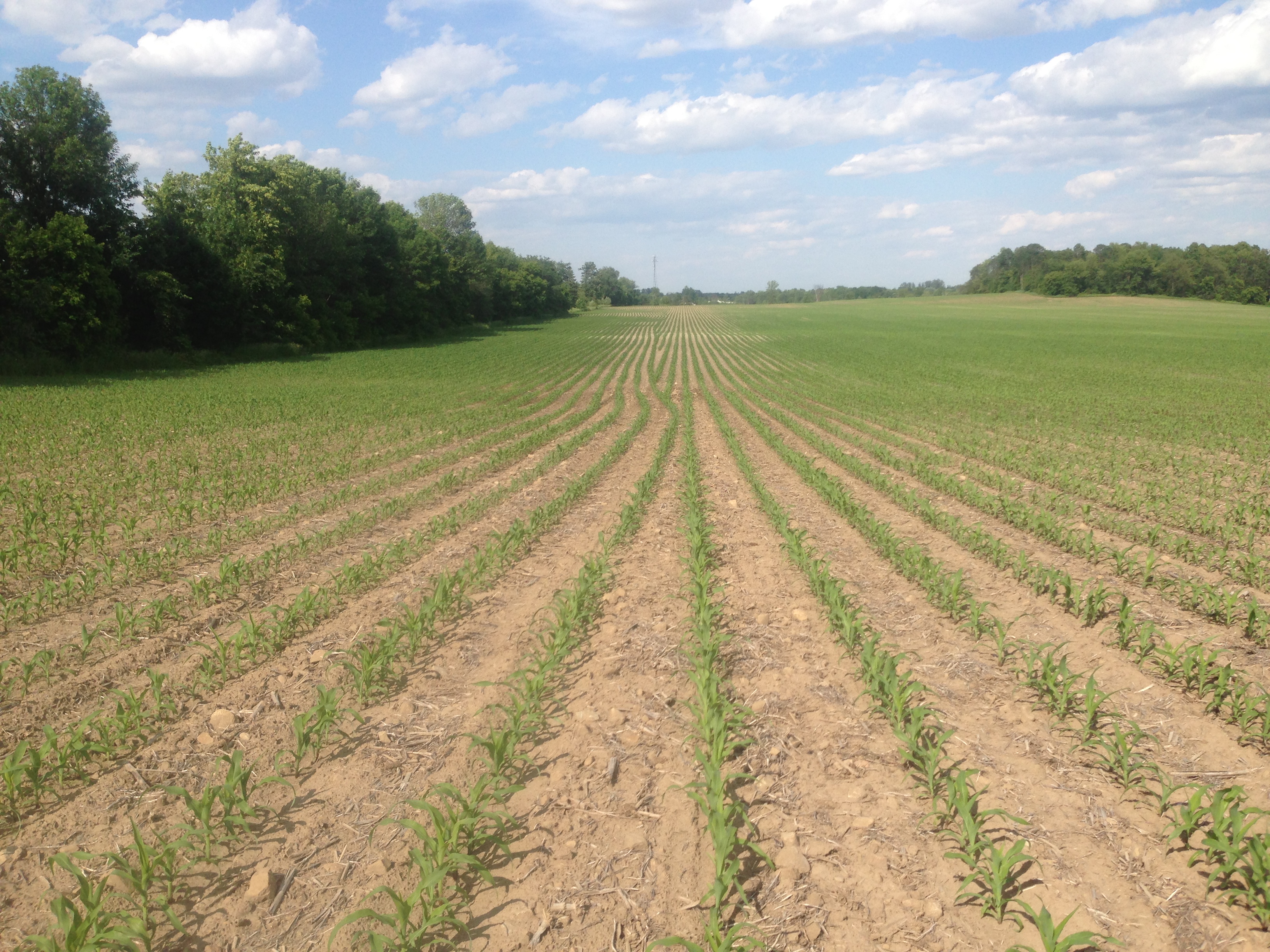
Figure 8. No-till corn into soybean residue (Credit: Paul Sullivan, P.T. Sullivan Agro Inc)

Figure 8. Corn planted into soybean residue after conservation (minimal)  tillage (Credit: Paul Sullivan, P.T. Sullivan Agro Inc)


How Can You Tell What “Good” Science Really Says?

This column responds to a good question from an organic agriculture acquaintance. She’s convinced that I am quick to endorse all scientific reports supporting my tech-oriented perspective, while rejecting those supporting hers. “How do you decide what’s right and what’s not?” she exclaimed. Fair question. This is my response.

Though decades have passed since I was an active university researcher (a former professor of crop science, University of Guelph), I still read many research papers and remember well the process for publishing results in a peer-reviewed journal. The process was imperfect: some reviewers were too picky; some not enough. Some journals are much “easier” than others.

But imperfections aside, the system worked quite well. A peer-reviewed article was generally considered credible. “Peer-reviewed” was an assurance of meeting certain standards of quality.

My faith in the system has since weakened. I now read too many scientific papers which I cannot believe made it through a proper peer-reviewer process – papers providing only the sketchiest description of experimental methodology, or limited statistical analysis, or selected data which are clearly cherry-picked, or abstracts and conclusions which extrapolate way beyond that justified by the data. And then there is a flood of new journals emphasizing speed over thoroughness. You pay the money and you get published quickly, especially if your findings are sufficiently sensational to make the national news. Journals and some scientists and their institutions even issue news releases to make sure this happens.

And now we have retractions: peer-reviewed articles are retracted after publication. I never heard of this in my research/publishing days.

I do understand the academic process, which really has not changed much for generations. As a researcher you must publish – to get a permanent job, secure tenure and promotion, have stature, get research grants, and more. And it’s not enough just to publish: you must also be cited. That means you emphasize positive, not negative, results. “Dramatic new findings” are best. And as the number of permanent public research position numbers plateaus or declines, the pressures increase.

In theory, this should mean higher quality. If the potential supply of papers balloons, then raise the standards. Sadly, I don’t think this has happened. There’s too much money in the journal publication business. Perhaps everyone is too busy writing to have time for reviewing the submissions of others. I see a lot of what I consider to be crap – to be blunt – in the form of peer-reviewed publication.

I’ve wondered: Maybe it is just me, an old guy with a too rosy memory of what it was like in days past. But then I recently read an outstanding column in a recent issue of The Economist decrying the same (“Unreliable research: trouble at the lab,” Oct. 19, 2013, http://goo.gl/iE5fha).

And there is the experience of John Bohannon, a biologist at Harvard, who purposely fabricated an entire experiment and research report, making sure that the paper contained obvious flaws – and having it accepted for publication in more than half of the 304 research journals to which it was submitted.

The bar has been lowered: peer-reviewed – while still better than not – is not the same guarantor of quality and credibility as before.

For me in crop agriculture, the most high-profile example of failure is the recently retracted rats-fed-glyphosate-and-GMO-corn paper of Dr. Séralini and colleagues at the Université de Caen. The journal, Food and Chemical Toxicology, is (or least was) considered prestigious. The editors ultimately did the right thing – a forced retraction despite the authors’ objection. But serious damage was done – to the stature of GMO technology and well-being of people who could benefit from its usage, to the credibility of the journal, and to science itself.

There are lots more examples still within the realm of agricultural technology: A paper by Carman et al in the obscure Journal of Organic Systems, claiming notable health problems for pigs fed GMO crops, is one. A paper from computer staff at MIT in another obscure journal, Entropy, asserting even larger health problems for humans exposed to the herbicide, glyphosate, is another. Both papers triggered immediate responses from knowledgeable critiques, exposing the obvious flaws, and have been dismissed by most informed scientists. But the fact remains: they were peer-reviewed, not retracted, and continue to be cited publicly as “proof” by those with anti-GMO perspectives.

The retractions aren’t all on one side: Dr. Pamela Ronald, a well-respected geneticist at the University of California (she works on GMO rice) recently retracted her own peer-reviewed paper because she later discovered that some of the data were incorrect. The anti-GMO crowd had a field day praising the retraction, using this to try to undermine Ronald’s credibility – just as they reacted in reverse with the Séralini paper retraction. The difference is that Ronald initiated the retraction herself.

One cannot eliminate personal perspective and bias totally in making judgements as to which scientific papers/reports are credible and which ones are not. I’ve those biases, myself, as does everyone in science. I can counter this by being more receptive to papers which challenge my personal bias, but that’s not being objective either.

So how do you make a judgement? For what it’s worth, here are a few guidelines I use:

1. Are the findings consistent with basic principles, i.e., physical, chemical and (to the extent that we understand them) biological and economic principles?

As an example, I’ve had no problem accepting that an increase in atmospheric concentrations of carbon dioxide should mean an increase in average global temperature and rainfall. Both are totally consistent with basic physics. I’ve had more problems with statements/conclusions that global climate is becoming more variable as the physical basis seems far less obvious. (Working Group I of the International Panel on Climate Change seems to have the same problem.)

2. Is the statistical analysis solid? I don’t expect the data in every paper to have been subjected to every possible statistical test – most of which I don’t understand myself – but it is reasonable to expect some reasonable replication and basic analyses of the results.

Another example: A recent paper from Purdue University is being cited everywhere as proof that a category of insecticides is deadly to bees. Its high profile in the journal PLoS One attracted lots of attention. I confess my bias: I don’t believe that these insecticides are the dominant cause of bee colony mortality as the anti-pesticide crowd proclaim. But the paper presented data with few meaningful statistical analysis and included non replicated measurements. How did it pass peer-reviewing?

3. Do results seem consistent with common experience?

Again, the Séralini and Carman papers come to mind. For, if the results presented were correct and applicable to humans, then one should expect to see massive health problems for the billions of people who have eaten GM-based foods. We haven’t.

4. Is there a conflict of interest?

This is commonly raised as a huge concern if the data/publication are linked to industry funding. That’s a legitimate concern. But it applies equally when the work comes from someone with a known agenda/bias of a contrary nature. Is research supported by Monsanto any less credible than that linked to Greenpeace? This does not mean that reported results are automatically wrong, but that they do need to be interpreted with special caution.

One judgement I use is whether the researcher is known for findings which are always one sided – for example, always supportive or negative, on issues such as pesticide safety, GMO technology, increased climatic variability, or hundreds of other controversial issues. If always one-sided, I’m suspicious.

5. Has the work been repeated/verified by independent researchers?

This is a given requirement for the acceptance of almost all research findings. Even when results are reported as being statistically significant at the 95% probability level, that means one chance in 20 of being a random fluke. The potential for inadvertent errors induced by the research technique itself is larger. This has been called the “single study syndrome.” Research findings must be confirmed by other labs before being accepted as “likely true.”

6. Is the researcher well recognized?

This one is problematic as it would seem to discriminate against younger researchers who are often the most brilliant. Perhaps a better criterion is the reciprocal: Is the researcher recognized negatively?

This should have been a red flag with Dr. Séralini – the rat study is not the first time his work has been challenged for objectivity.

But it also works in reverse. I’ve been saddened by the story of Dr. Don Huber, formerly a respected Purdue University pathologist, who in later life has been making incredulous and unsupported claims about a mysterious new organism which renders humans susceptible to a raft of illnesses triggered by glyphosate. Without his (formerly) good reputation, his recent assertions would have been dismissed as quackery well before now.

Of course, these guidelines all work best if you have some scientific experience, which most of the human population lacks. And even with scientific training, my guidelines are not infallible. They would surely have led me, if I was around at the time and into physics, to reject Einstein’s initial paper on relativity – inconsistent with known physical principles or common experience, an unknown researcher, etc. In my defence, most of Einstein’s contemporaries rejected his work initially, as well. (I don’t know if they pushed for a retraction.)

The biggest scientific findings are those which contradict the “well known,” though that’s where and why the need for independent verification is so important. Bear in mind that science can never prove anything to be absolutely true. Einstein’s conclusions were only accepted after they were tested in some now-legendary experiments, and no one can yet say they are absolutely correct more than a century later.

So what’s my advice for those without scientific training? Well points 3, 4 and 5 above still apply. And a healthy degree of skepticism works too. Just because some new research finding gets high-profile attention on the national news does not mean it’s right. In fact, the odds are that it is wrong. The article in The Economist concludes that most research reports are only partially true, at best. Wait at least a few days before drawing any conclusions. A few weeks or months is even better. Wait for the counter perspectives to come out – which, incidentally, are unlikely to be reported in the national news; the Internet and social media are better sources.

Science is wonderful and the basis for a large portion of what we call quality of life. But it can be a big challenge to know just what good science really says. Unfortunately, that challenge is getting bigger. That’s a huge problem for those of us who proclaim, “Trust good science.”

Additional Comments on the Issue of Neonicotinoid Seed Treatments and Bee Mortality

Since posting my early September blog (http://goo.gl/DmqH3N) about neonicotinoid seed treatments and bee mortality, the Pest Management Regulatory Agency (PMRA) of Health Canada has issued a Notice of Intent on “action to protect bees from exposure to neonicotinoid pesticides” (http://goo.gl/Uhg6Vv). The following comments pertain to that notice and a related PMRA report on bee deaths in Ontario and Quebec in 2012, some additional data they’ve collected for 2013, other published research papers/reports, and further discussions with Canadian bee researchers and professionals. 

1.         The PMRA Notice of Intent states that “the majority of pollinator mortalities were a result of exposure to neonicotinoid insecticides, likely through exposure to contaminated dust generated during the planting of treated corn seed.” And it goes on to say, “we have concluded that current agricultural practices related to the use of neonicotinoid treated corn and soybean seed are not sustainable.” The Notice of Intent seems to be based largely on information contained in a PMRA report entitled, Evaluation of Canadian Bee Mortalities Coinciding with Corn Planting in Spring 2012 (not on web).The 2012 report involves an investigation of reports of bee deaths from 40 beekeepers involving a total of 240 hive locations in Ontario and one report involving eight hive locations in Quebec. 

2.         PMRA tested, for neonic residues, 125 samples of dead and 2 samples of “dozy” bees from 25 affected beekeepers, plus 20 samples of living bees from apparently healthy hives. The sampling occurred sometime after corn planting, but before corn pollination. The PMRA’s finding that 70% of the dead bee samples in Ontario had detectible residues of chlothianidin, while residues were detected in only one “unaffected” bee sample, has received major attention. (Note that clothianidin is the active ingredient in the seed treatment commonly known as ‘Poncho,’ and is also a breakdown product of thiamethoxam, or ‘Cruiser,’ the other commonly used corn seed treatment.) 

3,         An appendix table in the “2012 deaths” report, listing neonic residue levels for the 127 dead- and dozy-bee samples, is of major significance. PMRA states that the 48-hr “NOELs” (No Observable adverse Effect Levels) for clothianidin are 0.0085 (oral exposure) and 0.067 ppm (dermal exposure). NOEL is the minimum exposure level considered to have any negative effect on bees. If it’s contact with neonic-laden dust in air at planting time, dermal would seem like the most likely means of exposure, with oral exposure being more appropriate for neonics in floral nectar and pollen. Importantly, data in the appendix table show that not one of the 127 dead/dozy bee samples had neonic residue concentrations as high as the NOEL dermal level. The highest sample reading was 0.024 ppm. Only 17 of the127 were even at or above 0.0085 ppm. 

In summary, 70% of the dead samples had detectable neonics, but 100% of samples were below NOEL values. 

PMRA’s report says that residue concentrations in dead bees may decline with time, because of bacterial decomposition. Sunshine exposure also breaks neonics down. However, experts in the field say that the rate of decline in dead bees is largely unknown. Hence, it’s not clear whether the amount of neonics in any of the dead bee samples was ever high enough to cause adverse effects to these bees while they were still alive – at least based on available science. 

4.         By contrast, what is well established scientifically is that the rate of breakdown of neonics in living bees is very rapid. I’m told that the half-life for clothianidin in bees is 11 hr, or less. After 3 days, only about 1% of the original exposure remains. It’s no surprise that PMRA did not detect neonics in most living bee samples presumably collected several days after incident reports were submitted. This perspective seems to be missing from both the PMRA 2102 report and Notice of Intent. 

5.         A summary (not published) of 2013 PMRA analyses of neonic levels in dead bees does not give the breakout for individual samples, only the range, which is from 0.001 to 0.071 ppm, with 75% of all dead bee samples having detectable clothianidin. The 0.071 is close to the NOEL dermal limit (0.067 ppm). Hence, one sample out of more than 225 over two years was as high as the minimal level known to harm bees. 

6.         The PMRA’s statistic that 70% of dead bees (and 75% in 2013) had detectable neonic residues has also much to do with the precision of the detection technology. The “limit of quantification” in the PMRA analyses is 0.001 ppm. If it had been 0.01 ppm, the 70% in 2012 would have been 12%. And if the limit of quantification had been 0.000l ppm, the 70% figure would almost certainly been even higher. With sufficiently sensitive technology, given the wide use of neonics in modern society for uses well beyond corn seed treatment, almost 100% of the samples might have been expected to have neonic residues. The critical issue is not whether neonics are detected but whether they are present at levels which are injurious to bees. The 2012 document implies “no.” Preliminary 2013 data say “maybe in one case.” 

7.         PMRA’s identification of soybean seed treatments as a probable cause of bee deaths is most puzzling, especially when the agency goes so far as to say, “agricultural practices related to the use of neonicotinoid treated … soybean seed are not sustainable.” But PMRA has not presented any direct evidence linking bee deaths to soybean seed treatment. All of the discussion/analysis in its “Evaluation of Canadian Bee Mortalities Coinciding with Corn Planting in Spring 2012″ pertains to corn. Why did they do this? The rationale might have been: ‘if corn seed treatment is bad, then soybean treatment must be bad too’ (scarcely a word said about canola or other crops). 

Or maybe they assumed that soybeans are planted with corn planters with the same practices/problems in dust emissions. While it is true that some soybeans are planted with corn planters, the vast majority of the acreage is planted with equipment more akin to that used for canola. 

8.         Then there’s another enigma: The PMRA document about 2012 bee deaths contains a map showing the location of the 72 bee yards from which samples were analyzed. They are not uniformly distributed across the corn/soybean growing area of Ontario. In fact, about one-third of those yards are in a small pocket near Hanover, (Grey County) Ontario. While corn and soybeans are definitely grown there (canola too), this is not an intensive area of corn and soy production as a map in the PMRA report shows. The other site where a large portion of the samples were collected is Middlesex and East Lambton counties, an area which does grow a lot of corn and soybeans. 

9.         In short, while the PMRA document does make a modest case for bee deaths being caused by corn (though not soybean) neonic seed treatments, the supporting data are far from overwhelming. 

10.       Of interest, also, is an analysis which Cutler et al. (2012, http://goo.gl/9V65oX ) did of PMRA’s “bee incident reports” for pesticide injury during the years 2007 through 2012. There were a total of 110 incident reports filed by Canadian beekeepers, 104 of them in 2012 alone. PMRA divided these incident reports into three categories, minor, moderate and major. Major incidents were defined as having at least 3000 dead bees from each of five or more colonies, or 30% of the bees in any one colony, dead or exhibiting abnormal behavioural effects. Of the 110 incidents, 78 involved neonics or a combination of neonic plus another pesticide. However, only four of the 20 major incidents involved neonics. In fact, five of the major incidents involved exposure to formic acid, an organic miticide that beekeepers apply to colonies to control varroa mites on bees. The formic acid incidents are especially notable for reporting queen bee deaths. Here’s another report linking bee colony mortality to miticide treatments, http://goo.gl/1mTYYg .

 11.       There is another part to this puzzle. Some vocal beekeepers claim that the effect of neonic seed treatment for corn has been a drastic drop in bee numbers in Ontario. However, when presented with data from Statistics Canada showing that colony numbers have actually been increasing at a steady rate in recent years, they say that the critical effect is on over-winter mortality, citing an average of about 35% mortality during the 2012/2013 winter. (Average Canadian mortality has ranged from 15% to 35% since 2006/07 with the highest percentage actually being in 2007/08.) 

But how can an acute effect at corn seeding time in late April-May affect the mortality of bees the next winter? This is especially puzzling given the rapid rate at which neonic chemical are broken down by living bees, as well as being photo-decomposed when exposed to daylight. And with worker bees only living an average of about 40 days, over-winter deaths would involve bees born months after the seeding-time exposure. One explanation might be neonic effects on queen bees which live much longer; however bee experts tell me this is highly unlikely given the filtering which occurs with queen bee feeding. (Queen bees eat “Royal jelly,” a special type of food manufactured by other bees.) Queen bees will also break neonic chemicals down quickly in the unlikely event of significant exposure. 

12.       Re-exposure to neonics later in the growing season is another possibility. “Let’s-ban-neonics” advocates have based their arguments on claims that the agricultural environment is full of neonics and that pollen from plants grown in neonic-containing soils is another cause of deaths. But the supporting evidence seems very weak. In published reports, where neonics have been detected in soil or plant pollen, the concentrations have been far too small to be biologically significant to bees. Bees would have to ingest daily amounts in excess of their body weights to approach the NOEL values referenced above. There is an excellent published report from southern Germany detailing how improper corn seed treatment led to spring-time bee deaths in 2008 (http://goo.gl/6QC3hh). (The amount of in-seed-bag dust per 100,000 seeds was 10 to 100 times higher than acceptable standards.) But even here the amount of chemical in subsequent corn pollen was too low to be significant. 

PMRA checked for neonic residues in Ontario farm soils and water puddles in 2013, with the residue levels being mostly “not detected” or at ultra-low levels. There is a report of neonics in surface water samples in Quebec but details are sketchy. 

In summary, statements that corn neonic seed treatments are responsible for over-wintering bee deaths make no sense, scientifically. 

13.       One big dilemma in policy decisions linked to neonic seed treatments is how to design  Best Management Practices (BMPs) based on PMRA data and policy dictates. The normal response would be to reduce exposure to a pesticide so that residue levels fall well below NOEL values. But we appear to be already there according to 2012 and 2013 PMRA measurements. So what’s the new target – 10% of NOELs, 1% of NOEL, or even lower – knowing that absolute zero is impossible? And if we switch completely to other pesticide products for seed/seedling insect control, what assurance is there that the resultant environmental problem will not be worse. (The reason for going to neonic products to begin with largely involved safety to humans and environment with other compounds.) 

14.       Some work done by Dr. Krupke and colleagues in Indiana is of interest – research results which are often cited as “proof” that neonic seed treatments kill bees. Krupke et al. (2002, http://goo.gl/scBQ9I) reported ultra-high levels of neonics in talc dust collected on the exhaust manifold of their pneumatic corn planter; they and others have used this to emphasize the seriousness of neonic exhaust from pneumatic corn planters. But as others have pointed out, this says little about emission rates. (It’s like scraping soot off the inside of a tailpipe to estimate auto exhaust emissions.) Perhaps more significantly, they placed bee colonies on all four sides of a small field being planted with this corn planter. While the research paper is silent on the fate of the bees, Dr. Krupke has told others that there were no apparent toxicological problems with these bees. (The paper has other weaknesses, but they’re beyond the scope of this blog.) 

15.       And that leads to a final question: What’s causing the bee deaths? 

There is no doubt in my opinion that there are incidents where using a pneumatic vacuum-style corn planter, with talc added to neonic-treated seed, and with wind blowing strongly towards a concentration of bees (hives, pollinating flowers) at seeding time, that neonics will kill bees. 

But I’m hearing from bee researchers that a larger cause of bee mortality is bee diseases, and most notably virus diseases spread by varroa mites. 

Some beekeepers have claimed, “This can’t be my situation because my varroa levels are low.” But the scientists respond that it takes very few varroa to introduce critical viruses into a bee hive. Once there, they spread quickly – and even to new bees introduced many months later into supposedly empty, though infected, hives. Both Dr. Rob Currie at the University of Manitoba and Dr. Ernesto Guzman, University of Guelph, have research (as yet unpublished) which implicates varroa-transported viruses as being an important cause of abnormal bee deaths. Few viral measurements have ever been taken for commercial bee hives in Ontario, and most viruses are difficult/impossible to detect visually. Bees dying from viruses display symptoms similar to those dying from pesticide exposure. (Canada has only now established its first bee virus lab service. It’s at Beaver Lodge in Northern Alberta, two days away from Ontario and Quebec by courier yet the bees must arrive alive, and the per sample cost is $325.) 

And there may be another factor too. At least one vocal Ontario beekeeper has reported that his bees have done better once he moved them “further north” where the proportion of land planted to corn and soybeans is lower. He also said the “problem” has become more notable in the last few years. He attributes this to neonics, but there could be another cause – bee starvation/malnutrition. There is little (soybeans) or no (corn) nectar with these crops. Corn provides pollen for protein though I’m told bees only collect it if other more attractive sources are not available. With recent higher grain prices, many former forage (i.e., alfalfa/clover) fields have recently been planted to grain crops. Bees positioned near these fields may have had little to eat, especially if many dozens of hives are located at one location, with each hive holding up to 80,000 worker bees. It’s a case of not enough food and too much competition.

 16.       I generally support new OMAF guidelines for corn seed treatments (http://fieldcropnews.com/tag/bee-kills/), and welcome Bayer’s plans for a safer alternative to talc powder. Planter manufacturers could help. German research showed emissions into surrounding air dropped by 90% plus when exhaust was directed to the ground. 

Suggestions that only 20-30% of corn seed needs insecticide treatment make me uneasy. Past field experience is not that useful if you’ve been using treated seed. Agricorp (Ontario’s crop insurance agency) requires a backup insect control plan if using untreated seed, to ensure crop insurance coverage in Ontario. 

I don’t believe corn growers should seed neonic-treated corn using vacuum planters with wind blowing toward areas of bee concentration. Options include different planters, untreated seed, better seed lubricants, calm winds, and/or moving the hives.

Summary Comments on the Issue of Neonicotinoid Seed Treatments and Bee Mortality

1.         Despite an effective campaign by a partnership of the Ontario Bee Association and the Sierra Club of Canada, seeking a ban on neonic usage in Ontario, science and statistics do not support their position. 

2.         Statistics Canada data show that the number of honey bee colonies was up, not down, in both Ontario and Canada in 2012. Anecdotal reports say this trend continues in 2013. 

3.         While some beekeepers have experienced excessive losses in recent years, most other beekeepers have not, including many with hives immediately adjacent to treated corn fields. 

4.         Despite claims to the contrary, there has been no shortage of pollinator bees for horticultural crop producers across Ontario. By contrast, there are reports of beekeepers seeking crops for bees to forage/pollinate. Ontario continues to send many thousands of hives to Atlantic Canada each year for blueberry pollination. The quality of the shipped bees has been unusually good in 2012 and 2013. 

5.         In the Prairie Provinces where 80% of Canadian bee/honey production occurs and where neonic usage is also much higher than in Ontario (canola and corn seed treatment), there is no linkage between neonics and bee deaths. 

6.         The Canadian Honey Council, representing bee keepers all across Canada, actively opposes the request by the board of the Ontario Beekeepers Association for a ban on neonic usage. They consider that the harm to other farmers would be substantial, with no notable change in bee mortality. 

7.         Overwinter bee death percentages vary widely from year to year. Recent Ontario numbers are not that different from historical patterns. The percent is highly dependent on management. Low hive numbers in spring are easily adjusted for by hive splitting and other normal beekeeper practices. 

8.         Bees are always dying in large numbers. An average of about 2000 dies per hive each day,  given their short life span. Overwinter hive sizes are almost 90% lower than during mid season.

 9.         The real cause of increased bee mortality for some beekeepers in recent years is the arrival of varroa mites. These mites are huge, relative to the size of a bee. They suck blood (or its insect counterpart) out of bees and also inject deadly viruses into the bees. It’s akin to malaria spread by mosquitoes. 

10.       Varroa mites and viruses are deadly to bees but another problem is that the chemical controls can be just as deadly. These materials must be applied just right. Casual bee management practices, which worked well before varroa arrived, mean excessive bee mortality now. And quality bee/varroa management keeps changing as the mite develops resistance to formerly effective miticides. 

11.       A new miticide first registered for usage in Canada in early 2012 could be a major problem. It’s called Mite Away Quick Strips (MAQS) and is based on the toxic formic acid. It is produced and widely used in Ontario but not in Western Canada. It is especially toxic at higher temperatures – not recommended for use above 82F in Northern Ohio, and Ontario had many days with higher temperatures in May 2012 when some Ontario beekeepers reported high losses. 

12.       Ontario bees have also been affected by a recently arrived strain/species of a serious fungal disease, Nosema. The interactions between this disease, fungicide treatments, and the complications provided by varroa and viruses, and their chemical controls, are not well understood. 

13.       Other stresses can weaken bees, especially if bees are already weakened by varroa, viruses, diseases and mites. These include inadequate bee nutrition (quantity and quality) during periods when the nectar and pollen supply is inadequate, and transport over long distances.

 14.       Successful, careful beekeepers in Ontario say that skilled bee/varroa management coupled with quality hygiene (the same principles which apply for livestock and poultry producers) is what is needed to ensure hive survival and productivity. 

15.       Dust from corn seed treatments may be a factor, on windy days with certain brands of corn planters and when talc powder is added to the seed. Bees which are already very weak for reasons listed above may be vulnerable. Efforts are underway in the corn industry to alter the seed treatments and planter design (or the choice of equipment purchase). However, correcting this problem will not likely reduce the high mortality for some beekeepers if they don’t address more fundamental management problems. 

16.       A shift in the position of the Ontario Beekeepers Association, from one that “the problem is corn seed treatments in spring time,” to one that “neonics are everywhere in air, soil, and water and must be banned” actually weakens their case, for it further raises the question of why this is not the problem in Western Canada where neonic usage is so much greater. 

17.       If the Government of Ontario were to introduce a neonic ban as a key solution to the so-called bee mortality problem, it risks experiencing even greater ire in days ahead, i.e., when some vocal beekeepers find that the problem is just as bad as before and when corn farmers experience serious losses due to damage caused by insects now controlled by neonic seed treatments. There is also a high probability that many corn farmers would switch to the use of other insecticides much more harmful to themselves and the environment. Finally, the demand for a neonic ban could extend to horticultural farmers who are highly dependent on foliar spray applications of neonics for insect control.

Full Statement by Professor Robert Friendship, University of Guelph on Study by Carman et al on Feeding of Genetically Modified Corn and Soybeans to Pigs

Dr Robert Friendship, a professor in the Department of Population Medicine at the Ontario Veterinary College, University of Guelph and a swine health management specialist, reviewed the paper [see reference below]. He concluded that “it was incorrect for the researchers to conclude that one group had more stomach inflammation than the other group because the researchers did not examine stomach inflammation. They did a visual scoring of the colour of the lining of the stomach of pigs at the abattoir and misinterpreted redness to indicate evidence of inflammation. It does not. They would have had to take a tissue sample and prepare histological slides and examine these samples for evidence of inflammatory response such as white blood cell infiltration and other changes to determine if there was inflammation. There is no relationship between the colour of the stomach in the dead, bled-out pig at a slaughter plant and inflammation. The researchers should have included a veterinary pathologist on their team and this mistake would not have happened. They found no difference between the two experimental groups in pathology that can be determined by gross inspection.”

Regarding the other finding that the researchers held out as proof that the GMO fed pigs were different was that the uterus weight was different between the two groups. Dr Friendship noted that the authors did not appear unbiased in their discussion. “The research had a number of factors that could not be controlled for. It is disappointing that the authors of the paper did not admit the weaknesses of the study design and caution readers that there may be many reasons for a difference in uterine weight. Unfortunately instead of presenting a fair discussion they made wild speculation about the weight difference such as the heavier weight might indicate cancer. A flaw in the design of the study is that treatment is applied at the pen level and all the statistical analysis is done at the individual animal level. They did not suggest that the heavier uterine weight might be a result of some of the pigs in one pen of 42 pigs reaching puberty, which would be a reasonable possibility or that there may be estrogen-like substances in the feed at low levels. The testing that was performed for mycotoxins which are capable of producing estrogen-like compounds and are common was completely inadequate to rule-out this possibility. Overall the study is flawed but if you ignore the misinterpretation of the stomach colour, the research shows there is no difference in the two groups of pigs.”
————
“A long-term toxicology study on pigs fed a combined genetically modified (GM) soy and GM maize diet.” Judy A. Carman, Howard R. Vlieger, Larry J. VerSteeg, Verlyn E.Sneller, Garth W. Robinson, Catherine A. Clinch-Jones, Julie I. Haynes, and John W. Edwards. Journal of Organic Systems, 8(1), 2013

A Message for all you Older Guys/Gals: Get on Twitter

By older I mean about 50-plus, including old-timers like me who can still learn new skills. Younger people can ignore the following advice; they’ve mostly discovered what I’ll be saying, years ago.

I have long ignored the idea of social media. I saw no reason to inform others about my daily trivia, or to know the same about them. But then, thanks to two daughters, I discovered Twitter. It’s marvelous.

For sure, Twitter can be about trivia, and often is. But it’s also a phenomenal means of keeping one informed almost instantly. And about issues which are really important.

Twitter helps me in farming. It was my best source of timely information in 2012 on the spread of armyworm and aphid infestations – as well as what to do about them. It’s equally good for real-time information on crop performance, markets, ag policy, weather damage, or just about anything else you’d want to know. And it’s free.

I’ll not give details on how to get onto Twitter and into “tweeting.” I got help from my family and you can too. It’s not difficult. Emailing was a harder learn 15+ years ago.

Don’t be deterred by the 140-character-per-message limit. It’s actually your friend – forcing tweeters to be concise. Tweets can include encrypted (abbreviated) web links to more information, and often do. For many of you, there is no need to send tweets at all; it’s what you learn from the tweets of others that provides the most benefit. I know farmers with twitter accounts who have yet to tweet once; they just use it to learn from others.

The whole trick is in choosing whose tweets “to follow.” If you choose good sources, you’ll get good, timely information. If you choose bad ones, you’ll get a stream of useless nonsense about going for coffee, bathrooms, and bitching about sports events. One huge advantage: you can be ruthless and still polite. Try different sources but drop bad ones quickly (“unfollowing” is the term) if they waste your time. (I dropped one source after only 15 minutes.)

If you are in Ontario crop agriculture, there are some essentials: Peter Johnson (aka @WheatPete), Mike Cowbrough (@cowbrough), Pat Lynch (@PatrickLynch13), Tracey Baute (@TraceyBaute) and Dave Hooker (@cropdoc2). Many others are about as good – including several for market information. A characteristic of good crop info sources is that they tell you what you need to know, when you need it, but don’t flood you with countless tweets.

Include good farmers, indeed many of them, as they are your best scouts for what’s happening on farms. Two of my favourites are Brent Royce (@brfarms09) and Andrew Campbell (@FreshAirFarmer). Use sources well beyond Ontario and Canada. I value farm/ag tweets from the US and Europe, and international agencies like the Gates Foundation and CIMMYT.

There are dedicated individuals who voluntarily make it their mission to scan information from everywhere and summarize it on Twitter. Two top examples are Cami Ryan (@DocCamiRyan) at U Saskatchewan and Calestous Juma (@calestous) at Harvard University. I like “Frank N. Foode”  (@franknfoode) which is a great, though cheeky source, authored, I’m told, by a group of US ag students. Carl the Corn Plant (@IowaCornPlant) is another. UofGuelphOAC (@uofGuelphOAC) is a top source of news from the Ontario Agricultural College. You can see everyone I follow, if you like, by checking @TerryDaynard .

One huge benefit for an old guy like me is that most of the information on Twitter comes from young people. I value that immensely.

Fax machines first arrived in the mid 1980s – a marvelous communications break through. Then came emails a decade later – even better, as were high-speed internet and modern web site technologies to follow. Twitter is the next wave. If you’re not part of it, you’re missing something great. Indeed, soon you may be in the minority.

Until recently, I started most days reading the (Toronto)  Globe and Mail on line. But now I check Twitter first, and read several articles I’m attracted to by Twitter links. I read stuff from all over the world, often in obscure on-line publications I’ve not known before. If I still have time at breakfast, I’ll then check the Globe – good to know what’s on the national stage – but it’s pretty boring compared to Twitter.

(This item appeared initially in the Ontario Farmer, and is now being posted here.  I’m pleased to hear of folks  in their mid 80s who are now on Twitter, as well as 70-year-old youngsters, like me)

Why is Organic Agriculture so neglected by Organic Advocates?

Organic agriculture faces difficult times in Canada, with its challenges of high production costs, difficult pest control, microbial contamination, excessive soil tillage, inconsistent approaches to the use of genetically modified organisms and highly competitive imports. Yet organic advocates, who are mostly non farmers, virtually ignore these issues while pursuing an agenda which can be best described as anti-corporate and anti-technology – and largely unrelated to the problems of organic food production. As a prominent organic farmer told me at a recent organic conference in Guelph, Ontario, “Those advocates are sure not helping me.” That’s the theme of this column.

First some disclosure: I farm commercially, but not organically. I rarely eat organic foods because of their higher cost and my belief that they have no net health benefits and mixed environmental benefits. I’ve argued that because of its higher costs of production and mostly lower productivity, organic agriculture does not represent “sustainable agriculture” for a world whose population is expected to exceed nine billion within a few decades.

But I know many Canadians disagree. The annual domestic expenditure for organic foods is estimated at about $2 billion. And because an estimated 80% of this is imported – often from large farms in the southwestern United States or countries with dubious food safety controls – it makes good sense to grow more of this produce at home. I applaud efforts to do so.

A few years back, I was associate dean for research and innovation at the Ontario Agricultural College, University of Guelph. One accomplishment was the establishment of an organic dairy research facility at the Alfred campus and this occurred because of solid support from dairy farm organizations in Ontario and Quebec, senior governments and the Canadian organic industry. We were less successful in securing dedicated new funding for expanded research on other aspects of organic agriculture. However, a significant increase in relevant investigation has occurred within other research programs.

These achievements are in part the result of a period of exceptional good will which existed between organic and non-organic farmers in Canada about five to 15 years ago. Organic growers and promoters were spending less time criticizing their farming neighbours and more time trying to be a new component of mainstream agriculture. And the latter responded in a very positive way.

The same good will was why major farm groups were supportive when organic interests sought funding through a federally funded program of the Guelph-based Agricultural Adaptation Council to create the  Organic Council of Ontario about 6-8 years ago.

How sad it is that leadership of this council has now shown its gratitude by waging a campaign against non-organic farmers and farm technology. Other organic advocacy groups also seem to have become more strident in their denunciations of mainstream farming practices. Condemnation of others, rather than support for organic farming itself, has become their raison d’etre. Or so it appears to me.

But to check this further, I attended the recent Guelph Organic Conference. That’s Canada’s largest annual organic conference according to organizers. To my surprise, I found that I was actually attending two very different conferences – both at the same time and place.

The Farmers

In one room were the organic farmers, marketers and advisers. The audience heard a goldmine of solid information and advice – all about managing practical problems, like weeds (the biggest problem), diseases and insects, soil fertility, marketing, preserving quality and more. One top grower from Essex County described how he works about every day from April through early summer cultivating, “finger-tine” weeding, and rotary hoeing for weed control. He may go through each field eight or more times. Sometimes when it’s bad enough, propane-fueled flame weeding is needed. “A new weed challenge every day,” he said. He said that the money which he has saved with no herbicides purchases is now spent on farm equipment and technology. His diesel fuel bill is probably large too.

Management of soil fertility is also a big challenge, especially phosphate fertility. Some organic crop problems have no right answers, such as control of wireworm and army worms.

How to meet market demand was another big issue. Though consumer demand has continued to grow or at least hold its own, domestic production of organic grains, needed for organic livestock feed and grain-based foods, has declined – down about 15-20% in Ontario from five years ago. The problem is the combination of greater profitability for non-organic grain growers, high production costs and production challenges, very volatile organic grain prices and imports of organic grain. Organic contracts for autumn 2013 delivery are now being offered at $12/bushel for corn and $25-30 for soybeans – more than double those for non-organic production – but no expanded production is expected in Ontario even at these high prices. Canadian need for organic grains is being met increasingly through imports from China and India. We buy the grain their own hungry people cannot afford.

I asked two organic buyers in one session about concerns over genetically modified (GM) contaminants in organic corn and soybeans. Their answers were near identical. They test every load for GM content, but reject only one to two loads per year. One buyer said the problem was mostly attributable to contaminated seed planted by organic farmers, and he blamed organic farmers themselves for that. Organic soybean growers are obliged to buy organic seed “if available.” But if supply is unavailable from five contacted seed dealers, then non-organic seed can be used. And because the latter is cheaper, organic growers can save money by contacting only seed dealers unlikely to have organic seed. Meanwhile, the bone fide organic seed supplier has unpurchased organic seed left at the end of the planting season.

I did not get the impression at the grower/marketer sessions of the organic conference that GM is a dominant issue. Growers have much bigger matters to deal with – like sow thistles.

I heard not one speaker in this all-day session voice a word of criticism about non-organic agriculture or farmers. These were classy people, proud members of Ontario agriculture.

The Advocates

I wandered over to sample the other half of the organic conference. The topics and tenor were totally different.

Speaker after speaker boasted about organic agriculture being “pesticide free.” When a listener asked about organic pesticides, the question was sloughed off; the speaker equated organic pesticides with the hosing of roses with water to remove aphids. No mention of the Health Canada-registered organic pesticides, copper sulphate and rotenone. (I’m told the Canadian supplier of rotenone has stopped marketing it, perhaps because of possible linkages to Parkinson’s. But it is still on the Canadian list of approved organic products. Curiously, when organic advocates emphasize links between Parkinson’s and pesticides – as they frequently do – they never mention that the pesticide with the strongest link is organic.)

But opposition to pesticides was nothing like the venom directed at GM technology. Indian activist, Vandana Shiva, who condemns the Green Revolution and who recently compared farmers using GM crops to rapists, was praised by a spokesperson for the Organic Council of Ontario as an agricultural visionary. The discredited work of French researcher and anti-GM advocate, Eric Séralini, about supposed links between GM corn and tumours in rats, was cited as gospel. No mention of its rejection by major food safety authorities and senior scientists around the globe. Monsanto was demonized as an obligate component of each speech. The false or distorted information flowed on and on.

I heard again the same mis-truths about Roundup-resistant alfalfa, that organic farmers will be put out of business if anyone grows RR alfalfa on an adjacent farm. This rhetoric ignores the very minimal risk of contamination. Alfalfa forage crops are almost always harvested at flowering, well before seed set, and the inability of alfalfa stands to even reseed themselves is well known by most farmers. The activists’ target is really Monsanto, the developer of RR alfalfa.

I heard not a word about permitted usages for GMOs in Canadian organic production, as specified in Canadian organic standards. There was no discussion about other forms of GM technology permitted in organic production, such as genetic variation created by exposure to intense radiation and mutagenic chemicals – also termed “genetically modified” under Canadian law.

Some sessions were downright weird. A featured speaker at one session, organized by the Organic Council of Ontario (OCO), talked about how she’d been raised across the road from a 500-acre corn field which was sprayed regularly by a large “combine” (yes, that’s what she said). She then said organic crops are inherently resistant to plant diseases and that this trait is transferred to people who eat organic crops, rendering them resistant to human diseases. A 13-year-old girl also spoke at this event, claiming (falsely) that GM crops kill butterflies, bees and rats. No correction from the OCO moderator.

There was also humour – or at least irony. One session featured the lack of integrity among marketers of “natural” foods. They apparently make false or unsubstantiated statements about health and environmental benefits – the implication being that organic advocates don’t. Poll results show that “natural” is viewed about as favourably by consumers as “organic.” Organic promoters are deeply concerned.

I heard scarcely a word in these discussion about the problems so dominant in the organic farming sessions. Almost nothing about weeds, other pests, fertility, imports and economics. The discussion was mostly about technologies not even used by organic farmers.

One topic not addressed in any session I attended was microbial contamination. Several North Americans died from contaminated organic spinach a few years ago. Another recall of infected organic spinach occurred in February. A Michigan court recently stopped sales of organic tofu and soy milk because of microbial contamination. About 40 people died in Europe from eating contaminated organic sprouts. There is no reason for Canadian smugness. These deaths involved organic produce fully approved, by bilateral agreements, for sale in Canada.

According to the now famous Mark Lynas, 3 ½ trillion meals containing GM ingredients have now been consumed globally with not a single illness related to the technology. Microbial contamination of organic foods has killed many. And yet the organic advocates attack the former and ignore the latter.

Mainstream media who were such uncritical champions of organic culture for many years, are now asking the tough questions and digging deeper. Witness how quickly a Sanford University story about the largely non health advantages of organic food swept the globe in late 2012. Mark Lynas’ comments at British farm conference in early 2013 went viral even faster. More revelations will follow.

Misguided organic advocacy groups are doing a great job of setting up organic agriculture for these attacks, while neglecting the real problems of the growers.

Organic farmers need and deserve better.

Farmers Must Take the Lead on Sustainable Agricultural Development

I have seriously underestimated the sustainability of the term “sustainable development,” especially as it pertains to agriculture. I’ll make that mistake no more. This column explains why Ontario/Canadian farmers should not make that mistake either.

The column is quite lengthy. To reduce the time required for reading, casual readers can skip the last half which is largely about “what next?”, in contrast to the “what?” and “why?” in the first half.

Origins and evolution of “sustainable agriculture”

The term traces back to a very high-profile report called Our Common Future issued in 1987 by the World Commission on Environment and Development of the United Nations, chaired by Ms. Gro Bruntland, former prime minister of Norway. The report was popularly called the “Bruntland Report” (by the “Bruntland Commission” or just “Bruntland” ). It stated,

“Sustainable development is development that meets the needs of the present without compromising the ability of future generations to meet their own needs.”

The commission extended the definition to include “in particular the essential needs of the world’s poor” and “limitations imposed by the state of technology and social organization on the environment’s ability to meet present and future needs.” The commission added,“technology and social organization can be both managed and improved to make way for a new era of economic growth.”

This concept/definition made good sense then, and it does now, though the amount of baggage and self-serving verbiage added since 1987 has been enormous.

The report’s release was followed by an immediate and intense effort to link “sustainable development” to the largely anti-corporate, anti-technology agendas of many activist groups and marketers of so-called alternative products. Promoters of organic agriculture quickly labeled their industry as “sustainable agriculture” – ignoring those aspects of organic agriculture in conflict with the Bruntland definition – “in particular the essential needs of the world’s poor.” More on this later.

There are more than 83 million Google citations for “sustainable agriculture,” including more than three million sites with definitions. Many groups and individuals have modified Bruntland’s words – sometimes dramatically. For example, a National Geographic web site states, “Sustainable agriculture takes many forms, but at its core is a rejection of the industrial approach to food production developed during the 20th century.” (The National Geographic web site contains other material on sustainable agriculture; the author says she “lives on a hobby farm, direct-markets organic produce to local restaurants.”)

The net result? Sustainable agriculture has come to mean cult agriculture in the minds of many. To quote National Geographic again, “The concept of sustainable agriculture embraces a wide range of techniques, including organic, free-range, low-input, holistic, and biodynamic.”

Even the entry of some mainstream institutions into this realm – for example “sustainable agriculture” institutes and/or degree programs at several universities – have not changed this image: sustainable agriculture usually means agriculture with lower inputs of energy-and chemical-intensive fertilizer, pesticides, antibiotics, fuel, capital, “unnatural” seeds, etc. This
generally means lower productivity, higher costs, and higher-priced food, which may be attractive to some of the well-fed and affluent, but far from the Bruntland vision.

It’s no doubt because of this that many in mainstream agriculture, myself included, have avoided the hype about “sustainable agriculture.” We felt we were too busy doing other important things, like producing ever increasing quantities of quality food ingredients at ever-declining real costs of production – and helping farmers survive financially in an increasingly competitive world marketplace. We also thought we had good environmental initiatives of our own – like Ontario’s Environmental Farm Plans, Farm and Food Care, and others.

Food retailers and sustainability

All of this has changed in very recent years as major food companies have sought to link the word “sustainable” to the various food, agriculture and other functions/services (eg., packaging) with which they are associated.

The push started in Europe in 1997 with major food retailers and manufacturers subscribing to a series of standards of a coalition now called GlobalG.A.P. The “G.A.P.” stands for “Good Agricultural Practice.” The coalition now has hundreds of members in food manufacturing and distribution businesses and an array of approved production and handling requirements. See http://www.globalgap.org, especially the membership listing.

Another large consortium called the Sustainable Agriculture Initiative (www.saiplatform.org), begun 10 years ago by some European and global food manufacturers, sets standards for sustainable agriculture with a membership of processors only. (Others can be associate members). Canada’s McCain Foods Ltd. is now represented on the executive committee.

A North American grouping called The Sustainability Consortium (www.sustainabilityconsortium.org), though created only in 2009, now has more than 100 members. Walmart is the largest participant but the membership contains many other global giants. The Sustainability Consortium involves more than food and agriculture.

These three groups, while huge, are only a part of what’s going on. Many individual companies are developing their own standards/protocols – very often in response to targeted pressure (and sometimes support) from activist groups.  Check http://corporate.walmart.com/global-responsibility/environment-sustainability , for example, or http://sustainabilityreport.timhortons.com , or http://www.nestle.com/csv/Environment/Pages/Environmentalsustainability.aspx .

In the published memberships of these coalitions, I see some environmental groups but almost no farm groups. The Environmental Defense Fund has a full-time person at Walmart’s head office in Arkansas.

As I write this, a major meeting is imminent or underway in Singapore about the further imposition of sustainability standards for palm oil, driven in part by Walmart and UK-based vegetable-oil giant, Unilever. The Canola Council of Canada is working hard to ensure that Canadian canola oil meets European standards for “sustainability” for use in making European biodiesel. At what point does this expand to include corn, soybeans and wheat used for food and fuel production in Canada?

If you don’t think this can happen, consider gestation cages for sows. (These are small, individual pens in which pregnant female pigs are confined before giving birth. These are different from the small “farrowing” pens in which sows are confined immediately after birthing; the latter are considered necessary to prevent nursing baby pigs from being crushed by their mothers.) Farmers are being driven to abandon this practice – first in Europe and now in North America – by the dictates of food retailers. And while this is being driven by an animal welfare agenda, not sustainability per se, the two are tightly associated in the views of many.

The European leadership in this realm is of special significance to those of us in agriculture associated with GM crops (corn, soybeans, canola, to name three). GlobalG.A.P. standards are very detailed on what must be done on labeling and blending of GM and non-GM crops and ingredients (a marked contrast with the near absence of provisions to avoid contamination with manure!). Swiss-based Nestlé was quoted recently as saying it saw no significant role for GM technology in its vision of sustainability.

What should Ontario farmers do?

So as farmers – especially those of us in grain farming – what can we and our organizations do to have influence on the future? If we don’t lead, we’ll be led. Even though many farm groups elsewhere seem to be opting for “being led”, Ontario farmers can be different. We’ve been global leaders on other environmentally related issues before.

As starters, I suggest the following:

1.    Acknowledge that sustainable agriculture is a societal high priority and likely to become more so.

2.     Get involved with food-industry-based sustainability coalitions. Be very selective in this process as too much time could be wasted with groups which seem to be more about anti-corporate advocacy than sustainability itself.

3.    Be vocal in an informed way about misguided efforts by groups that seek to detract from the vision of the Bruntland Commission – and/or use “sustainability” for self-promotion.

4.    Be open in talking about and addressing aspects of modern agricultural practices which cannot be considered very sustainable, and champions of those which are.

5.    Be cautious in relying too much on the use of short-term public opinion and polling in determining priorities for sustainable development, as these commonly depend more on media whims and the advocacy of special interest groups, than fundamentals. Good science and sound economics must be key policy drivers.

6.    Develop a strategy in cooperation with other farm groups, government agencies, conservation and credible environmental groups on how to enhance sustainability, with this including research, outreach, partnerships, and measures which might be included in food processing/retailing standards.

7.    Build on Ontario’s globally recognized Environmental Farm Plans, while recognizing that these plans are only part of a process.

8.    Emphasize communications, both within and beyond the farm sector, and build on capacities which farm groups already have.

9.    Make sure the scope is broad. Sustainability is certainly about what a farmer does with water, soil, inputs, emissions, protection of biodiversity and natural areas, and waste management on the individual farm. But it is also about ensuring an adequate supply of high quality and reasonably priced food to feed a global population expected to exceed nine billion by 2050 – while using renewable plant material to enhance global supplies of fuels, plastics, and other industrial and consumer products. It’s about allowing/encouraging poor countries of the world to produce more of their own food supplies. (There are lots of opportunities for agri-food exports without undermining developing-world agriculture.) It is also about ensuring that the above can be met while also permitting farm families to have the same level/standard of living as their nonfarm counterparts.

10.    Recognize that this is an ongoing, never-ending process. What represents great achievement in one year becomes the base for improvement the following year.

The days/years since early 2008, when stock markets and global economies first weakened have been highly instructive to me. The world has dealt with high unemployment, fiscal disasters of major magnitude, serious crop failures, spiking and plunging commodity prices, and more. Yet, the push for sustainable development has continued. Think what it will be as economies and agriculture/farm and food markets return to more “normal” levels of volatility. (I believe they will. Others, I know, differ.)

What can we hope to accomplish?

We cannot expect that any concerted effort by Ontario/Canadian farmers can change the agenda for either anti-corporate groups or advocates of low-input and organic agriculture. But we do have an opportunity to interact with and have a major influence on food processors and retailers in Canada trying to find their own way through what is both a mine field and an opportunity. Major food companies know that we cannot feed a hungry world – let alone most Canadians – with high-priced, limited-output agriculture.

The biggest problem/risk is that food company executives do not know much about specific agricultural practices and can be easily misled by skilled and sometimes-charming activists who promote practices which may be anything but sustainable. A concerted effort by main-stream Canadian farmers to present their position – especially if it is the result of a well-developed strategy/initiative on agricultural sustainability – could be very effective. This is especially true in Canada where “sustainable agriculture” standards within the entire food chain are much less developed than in many other countries.

Some specific issues

I close this column with comments on some specific issues. The first of these is organic agriculture and the claim by proponents that it represents the epitome of sustainable agriculture. For sure, there are aspects of organic technology which are very sustainable – the focus on maintaining soil organic matter and the use of legumes to supply nitrogen are examples. But organic farmers sure do a lot of soil tillage using fossil fuels. Their management of soil phosphate fertility is very problematic. Organic pesticides can be just as hazardous, if misused, as synthetic pesticides, and some organic pesticides are heavy metals. Control over contamination by coliform bacteria seems too casual in organic standards, and people have died in recent years as a result. Most of all, because of associated higher costs and lower yields, organic is more suited to supplying affluent consumers and high-end restaurants, than for feeding nine billion people, most of them very poor.

Allaying phobias about transgenic crop (GM) modification must figure highly in any strategy. The science is clear enough – that this represents a credible, indeed desirable, means of improving resistance to pests, crop quality and composition, while improving yields and lowering production costs. No one has ever been sick as a direct result of the consumption of approved GM crops. (Contrast this with recent deaths caused by manure-contaminated organic spinach and sprouts.) Yet the vast majority of sustainable agriculture web sites state that sustainable agriculture means no GM crops. This is an irrationality which modern agriculture has to counter if it is to ensure a vision of agricultural sustainability based on solid science and economics rather than anti-technology hype. Given the critical potential for GM technology to help feed a growing human population, this is an issue which proponents of true agricultural sustainability need to support aggressively.

Another comment relates to a common view that low-input agriculture is more sustainable. There is no debate about the importance of efficiency of input usage – how to produce more from less, especially when it does not mean practices like “mining the soil” (reducing inherent fertility levels) as a means for reducing fertilizer inputs. But if low input means low output, then it’s inconsistent with the need to increase global food supply.

Finally, there’s the matter of developing formal standards. This is a process which can consume massive amounts of time in committee discussions – a potential sinkhole for farm organizations with limited resources and many competing needs for their time. It’s difficult to provide simple advice. Farm groups need to be in the loop, to ensure that their perspectives are heard and respected, but not sucked into endless debates about minutia.

The route to sustainable agricultural development is neither simple nor without controversy. But the risks to farmers from not becoming important/leading players in decision-making process are huge. Do we want sustainable agricultural practices to be developed/defined using real-world experience and farmer know-how, or solely in urban boardrooms of large food companies trying to appease single-issue activists?

Anti-GM Groups Undermine Global Efforts to Reduce Blindness and Hunger, while Exploiting Canadian Charities

This is a delayed response to a verbal exchange last March in the Ontario Farmer. OMAFRA field specialist Peter Johnson accused Greenpeace of delaying Third-World access to “Golden Rice” with its genetically enhanced levels of Vitamin A. The Canadian Biotechnology Action Network (CBAN) responded by claiming that Johnson was dead wrong, and that the enhanced rice has almost no potential value in reducing Third-World blindness.

Golden Rice contains genes for carotene production transferred from corn and a common soil microorganism into rice by Swiss and German university researchers. Rice has no natural genes for carotene production. Humans must eat carotene to manufacture vitamin A in the body.

My questions were: 1) Was Peter Johnson wrong? and 2) Who is CBAN and who funds it?

The quick answers are: 1) Absolutely not; Golden Rice can make a huge contribution to Vitamin A nutrition – and 2) CBAN is an anti-agricultural-technology group, funded by a clever end-run on Canadian tax rules governing charities. Taxpayers unwittingly fund their mischief.  Explanations follows.

The answer to the first question comes from the 2010 annual report of the internationally acclaimed International Rice Research Institute and other credible web sites. IRRI is the Philippines-based organization which developed the higher yielding rice varieties which contributed so dramatically to the Green Revolution a few decades ago. Greenpeace is doing all it can to delay the development and release of this valuable technology. “Data” provided by CBAN, in discrediting the potential value of Golden Rice to reduce blindness, come straight from a Greenpeace document. The Greenpeace numbers have been termed unrealistic and extreme by IRRI scientists and others.

IRRI cites referee-journal-published research showing that “eating about a cup of Golden Rice every day is enough to supply 50% of the recommended daily allowance of vitamin A for an adult.” I’ll believe IRRI over Greenpeace.

As for the Canadian Biotechnology Action Network, its web site shows this to be yet another anti-technology activist group. There are many. Their common dogma is that genetic modification in agriculture is evil, dangerous, and to be avoided at any cost. No matter that about 15 years of global experience involving hundreds of millions of hectares planted to genetically modified crops has not resulted in a single case of human sickness or notable environmental impact. (Contrast this with the number of people who have died in the same period eating manure/bacterial infected organic crops.)

In practice, their disapproval of GM technology is selective. No condemnation of crop genetic variation created by plant/seed exposure to extremely intensive nuclear radiation, also termed “genetically modified organisms” under Health Canada regulations, and widely used in “anti-GMO” Europe. No protestation of the role of genetically modified organisms in making human insulin,  cheese, vitamin B6, and many other food and medical ingredients/treatments.

That this is about big companies and their technologies, and not really about health and environmental risk, is demonstrated in the opposition by activist groups to Roundup-Ready alfalfa. They claim fields planted to this alfalfa will set seed which will spread and reseed in adjacent fields and in the wild. Yet alfalfa rarely sets seed under commercial farming conditions except in controlled seed fields in the western United States. Farmers cannot even get alfalfa to reseed enough to fill in gaps within thinning alfalfa stands. Former OMAFRA organic lead, Hugh Martin, has written about this in a column at http://www.omafra.gov.on.ca/english/crops/field/news/croptalk/2011/ct-0311a5.htm . More explicit is a joint article from the Universities of California and Wisconsin at http://hayandforage.com/site-files/hayandforage.com/files/archive/hayandforage.com/Understanding_Roundup_Ready_Alfalfa_revised.pdf .

Anti-GM opposition has sometimes served to delay technological innovation in North America. GM-induced Fusarium resistance in wheat seems finally on the way after 10-years of delay. Lower-toxin wheats are coming. Activist opposition has also made GM crop introductions very expensive. These groups may have accomplished what they seem to hate most – driving GM technology development and commercialization, at least in the developed world, into the near-exclusive domain of very large multinationals.

It’s annoying in North America. But what the anti-GM groups are doing to exacerbate Third-World hunger and health is far worse. It’s criminal. And it’s much bigger than impeding access to blindness-preventing Golden Rice technology.

Robert Paarlberg, associated with Wellesley College and Harvard University in Massachusetts, has a well-written book entitled, “Starved for Science: How Biotechnology is being kept out of Africa,” with a foreword from Norman Borlaug and Jimmy Carter. There are many related publications but Paarlberg’s is exceptionally well documented. Paarlberg describes how (largely European-based) anti-technology, anti-corporate groups have systematically scared poor African countries into avoiding most forms of modern agricultural improvement – especially the use of modern genetic technology – even when their own people face starvation.

Africans have been told by activists that GM-based foods cause cancer, antibiotic resistance, even HIV-like viral infection, and that these foods are a part of an evil scheme by the United States and multinational companies to control them. Zambia, facing a major drought-induced disaster and humanitarian crisis in 2002, refused to allow food-aid corn to enter the country mainly because of these stated risks. Also, Zambian exports of organic “baby corn” to Europe would be cut off if any GM-containing food aid entered that country. There are too many examples of this despicable behaviour. In 2012, under activist guidance, Kenya delayed for weeks the importation of GM corn to feed starving Somalia refugees until internal and external pressures – and common sense – forced the government to change its mind.

South Africa is the one sub-Saharan country with the knowledge and sophistication to ignore the activists, allowing its farmers to grow genetically enhanced corn for the benefit of South African food supply.

A few years back, Monsanto granted free access to a new drought-resistant GM gene for corn to an international group led by CIMMYT (the Mexican-based international corn and wheat developmental agency) and the Gates Foundation. I’m told that this is the same gene soon to be introduced into North American hybrids. CIMMYT breeders have been incorporating this gene into corn cultivars (varieties) adapted to African conditions and food tastes – with very promising results under drought stress. But activist pressures and highly expensive regulatory processes imposed by European interests have meant that testing has only been allowed in a very few African countries.

Anti-corporate, anti-technology animosity trumps hunger relief.

CBAN apparently represents a minor Canadian contribution to this odious international effort. CBAN is not remotely in the same league as international anti-humanitarian heavyweights such as Greenpeace and Friends of the Earth – each based in Amsterdam and with staff in excess of 1000 each.

But what has really caught my attention  about CBAN is its funding. This organization has done a remarkably good job in securing money for activist purposes from well-meaning Foundations, and in exploiting flaws in Canadian laws governing charitable tax receipts.

I checked with the Ontario Trillium Foundation (an Ontario Government agency) and the private Walter and Duncan Gordon Foundation (focus on Northern Canadian issues), both listed as financial contributors in the 2010 CBAN annual report. Spokespersons for both organizations initially denied that they had funded CBAN, and stated that their policies specifically exclude funding for this type of non-charitable activist activity. However, on further checking, they found that awards had been given for “educational purposes” to the charity, Ecological Farmers of Ontario (EFO), with the latter apparently being the conduit to CBAN. (More on EFO involvement, below.) Funding from the Ontario Trillium Foundation is particularly troubling; Ontarions believe that this public lottery-derived money is used for community development and humanitarian purposes.

Even worse is the way in which CBAN skillfully exploits a loophole in Canadian charitable contributions so that donors get charitable receipts even though CBAN itself does not come close to qualifying as a charity.

The “trick” involves the large charitable organization, Tides Canada, which is closely associated with the larger American charity, Tides. The CBAN web site states, deviously, that “CBAN is a charity under Tides Canada Initiatives” (no listing of this joint entity in the Government of Canada listing of eligible charities) and CBAN provides details on how to exploit the deception. Or you can also use the Tides Canada web site. You donate to Tides Canada, designate your donation to CBAN, and get the taxable credit. CBAN’s non charitable status matters not.

Unlike the Ontario Trillium Foundation and the Walter and Duncan Gordon Foundation, this is not a case of a charitable foundation being hoodwinked. Tides Canada knows exactly what CBAN is doing.

The Government of Canada has promised a crackdown on this misuse of charitable donations and has targeted Tides Canada. However, government statements to date seem to be focused on the money Tides Canada channels to non-charitable groups other than CBAN. This taxpayer-robbing racket seems to be widely used.

This leads me finally to the Ecological Farmers of Ontario (EFO) which is also a registered charity, but which has been a conduit for the funding of CBAN (and perhaps other activist groups too). The Farm and Food Care Foundation told me this would not be condoned under the rules imposed on them in earning their recent charitable status. And some of the educational material produced by EFO, apparently with Trillium Foundation funding, is certainly slanted against pesticides, synthetic fertilizer and GM crops (it calls the resulting produce “techno-food”) while perpetuating the myth that organic agriculture is pesticide free.

My criticisms of  EFO may now be somewhat historical. They have new board members and the former EFO president during the era of channeling money to CBAN has left and is now a coordinator for the National Farmers Union. The NFU openly supports CBAN – probably using Ontario farm registration money – but at least it does not do so by flouting Canadian tax laws governing charities.